

Defense Fighter
Mastering a skill at extremely high and demanding performance requires a level of all rounded conditioning.
Martial Artist
Military/ Soldier
Signing up for service, need workout that maintains or takes your physical challenges to another level to get the job or task at hand done. We have designed drills and training that puts those tests to the limits.
Authority Agents
Law Enforcement, Agency Enforcement or conditioning that requires unpredictable stressful performances, everything associated to your service to a specific department researched and developed with us.
Contact Sports: Non Combative
Sports such as American Football, Rugby or Ice Hockey
Models and Concepts Of Physical Combat
Review and understand the brief yet explanatory concepts and foundations of combative engagement in both sports and activities to improve and apply the movement to the best of what we know.
This feature has been disabled by the administrator
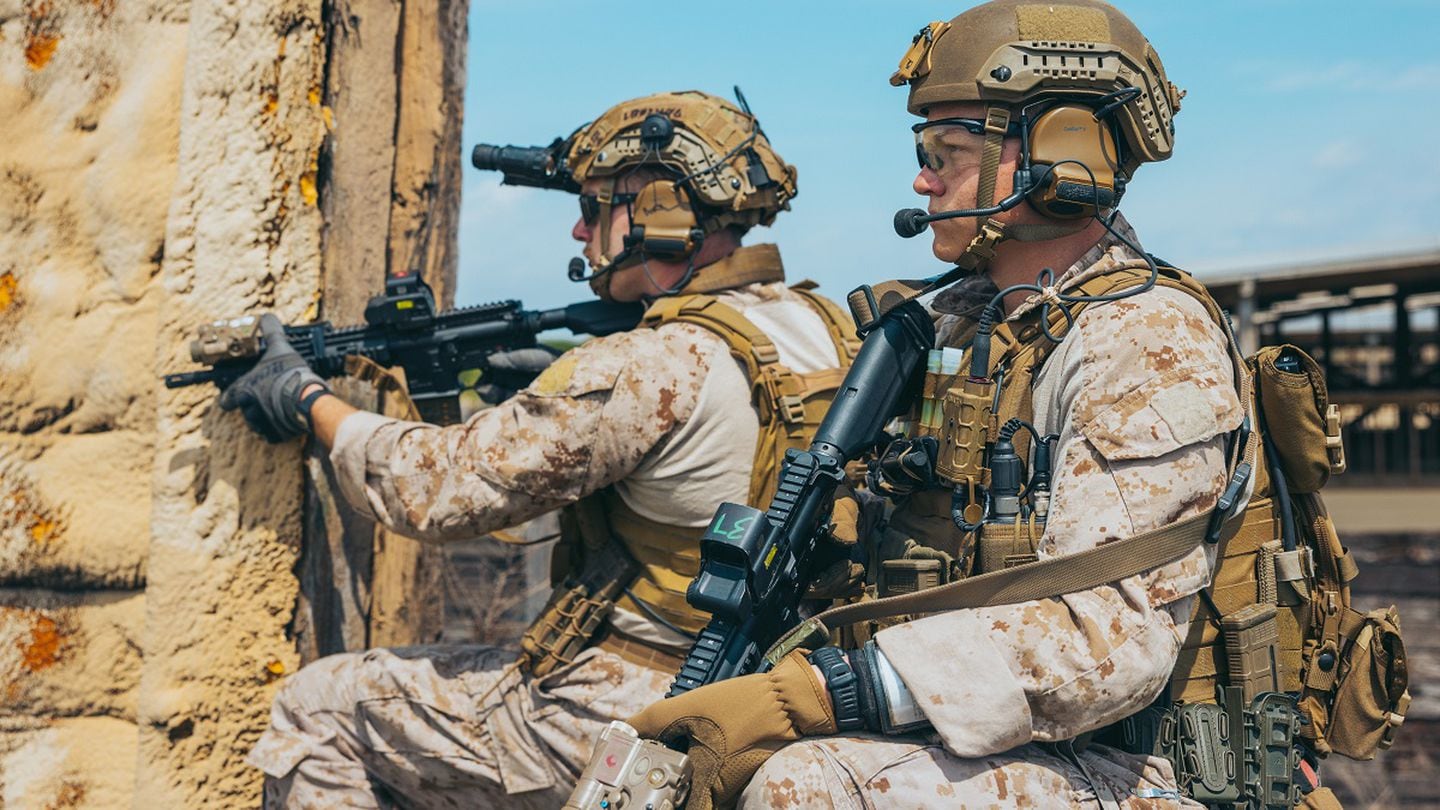
The physical fitness and training requirements for U.S. Marine Corps recruits are designed to ensure that they meet the high standards necessary for the demands of military service. Here’s an overview of the Marine Corps’ fitness screening test, physical fitness requirements, and the stages of their training and conditioning program:
Stages of Skill Qualifications
-
Initial Training:
- Recruit Training: Basic skills and physical conditioning.
- MCT: Basic infantry skills and combat readiness.
-
Advanced MOS Training:
- Specialized Skills: Training in specific technical or operational roles.
-
Operational Deployment:
- Field Training: Application of skills in real-world scenarios and missions.
- Continuous Development: Ongoing training to maintain and improve skills.
-
Advanced Training:
- Specialized Schools: Opportunities for further specialization (e.g., sniper school, reconnaissance training).
Physical Fitness Requirements
- Endurance: Demonstrated through running, swimming, and other aerobic exercises.
- Strength: Required for activities like pull-ups, lifting, and combat-related tasks.
- Agility and Flexibility: Necessary for a range of physical activities and combat scenarios.
Marine Corps Fitness Screening Test
The Marine Corps uses the Physical Fitness Test (PFT) and the Combat Fitness Test (CFT) to assess the fitness of recruits and active duty Marines.
1. Physical Fitness Test (PFT)
-
Pull-Ups:
- Event: Maximum number of pull-ups.
- Requirement: The maximum number of pull-ups is scored. There is no minimum required number, but more pull-ups contribute to a higher score.
-
Crunches:
- Event: Maximum number of crunches in 2 minutes.
- Requirement: Perform as many crunches as possible in 2 minutes. Scoring is based on the number of crunches performed.
-
3-Mile Run:
- Event: 3-mile run.
- Requirement: Complete in under 28 minutes (for males) or 31 minutes (for females). Times can vary based on age and gender.
2. Combat Fitness Test (CFT)
-
Movement to Contact:
- Event: 880-yard run (800 meters) wearing a combat load (e.g., body armor and helmet).
- Requirement: Complete in under 4 minutes and 30 seconds.
-
Ammunition Can Lift:
- Event: Lift a 30-pound ammunition can from the ground to shoulder height.
- Requirement: Perform as many lifts as possible in 2 minutes.
-
Man-Down Drag:
- Event: Drag a 180-pound dummy 20 yards.
- Requirement: Complete the drag as quickly as possible.
Training and Conditioning Program
-
Recruit Training (Boot Camp):
- Duration: Approximately 12 weeks.
- Focus: Basic military skills, discipline, physical conditioning, and combat training.
- Phases:
- Phase 1: Basic physical conditioning, drill and ceremony, and introduction to Marine Corps values and customs.
- Phase 2: More intense physical training, marksmanship, and introduction to field exercises.
- Phase 3: Final preparation for graduation, advanced skills training, and field operations.
-
Marine Combat Training (MCT):
- Duration: Approximately 29 days.
- Focus: Basic infantry skills and tactics for non-infantry Marines. Includes small unit tactics, land navigation, and combat conditioning.
-
Military Occupational Specialty (MOS) School:
- Duration: Varies by specialty.
- Focus: Advanced training in a specific MOS, including technical and tactical skills required for the assigned job.
-
Ongoing Training and Conditioning:
- After MOS School: Marines engage in continuous physical fitness and combat readiness training. Regular PT (Physical Training) sessions, skill maintenance, and advanced tactical training are part of their ongoing regimen.
Marines are expected to maintain high standards of physical fitness and combat readiness throughout their careers, reflecting the rigorous nature of the training they undergo and the demands of their roles.
