

Defense Fighter
Mastering a skill at extremely high and demanding performance requires a level of all rounded conditioning.
Martial Artist
Military/ Soldier
Signing up for service, need workout that maintains or takes your physical challenges to another level to get the job or task at hand done. We have designed drills and training that puts those tests to the limits.
Authority Agents
Law Enforcement, Agency Enforcement or conditioning that requires unpredictable stressful performances, everything associated to your service to a specific department researched and developed with us.
Contact Sports: Non Combative
Sports such as American Football, Rugby or Ice Hockey
Models and Concepts Of Physical Combat
Review and understand the brief yet explanatory concepts and foundations of combative engagement in both sports and activities to improve and apply the movement to the best of what we know.
This feature has been disabled by the administrator
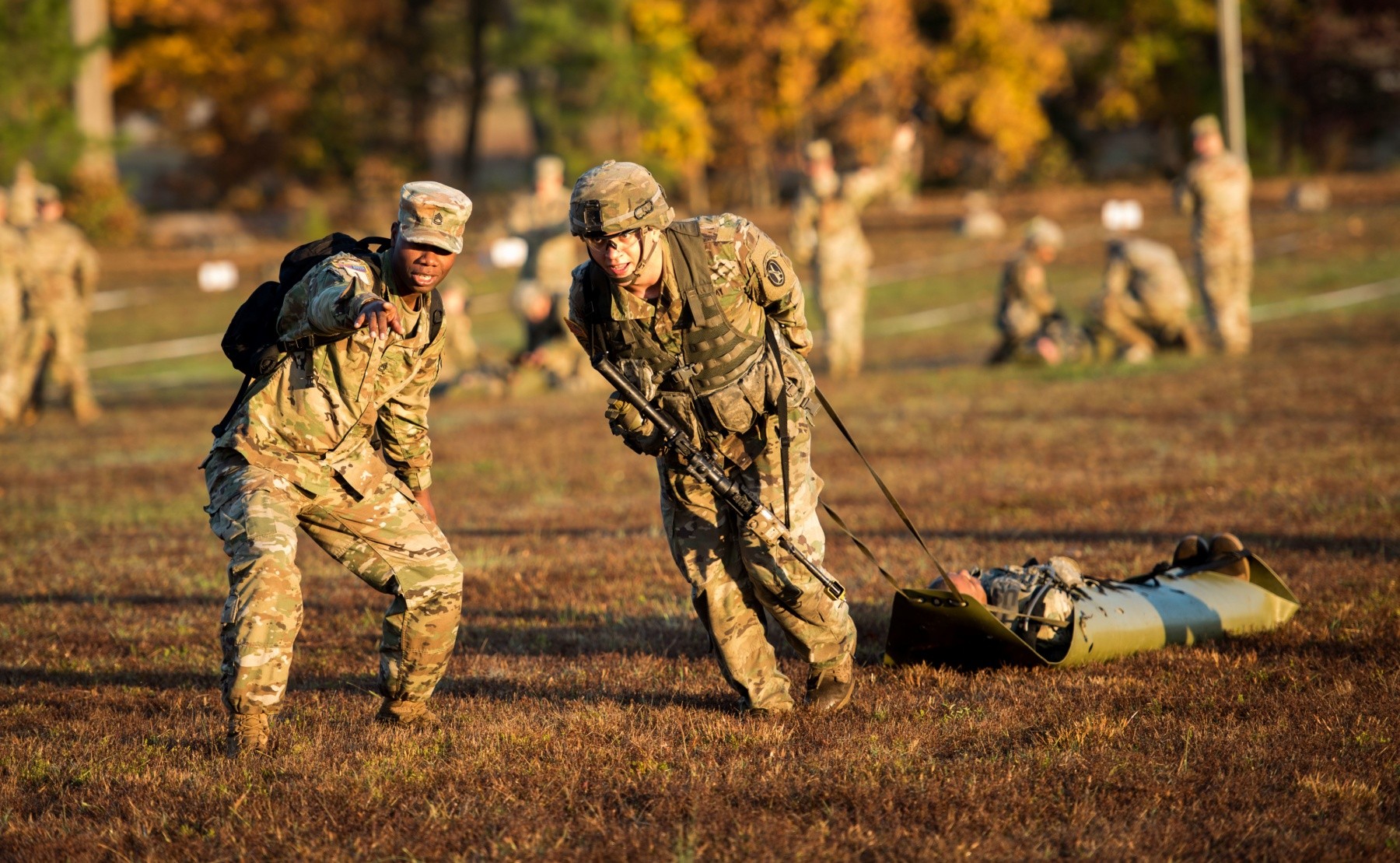
The U.S. Army’s physical fitness screening test and training program are designed to ensure soldiers meet rigorous standards of physical readiness. Here’s a comprehensive overview of the Army’s fitness requirements, training, and skill qualifications:
Stages of Skill Qualifications
-
Initial Training:
- BCT: Basic military training, including physical conditioning and foundational combat skills.
- AIT: Technical training for the specific MOS, focusing on job-related skills.
-
Advanced Training:
- Professional Military Education (PME): Courses for career development, including leadership and management training.
-
Operational Experience:
- On-the-Job Training: Practical experience in real-world scenarios, applying skills and knowledge in the field.
-
Specialized Skills:
- Advanced Schools: Additional training for specialized roles or advanced qualifications (e.g., Ranger School, Special Forces training).
-
Continuous Development:
- Ongoing Training: Regular updates and further training to stay current with new technologies and practices. Includes periodic re-certifications and skill enhancements.
Physical Fitness Requirements
- Strength: Demonstrated through events like the deadlift and hand-release push-ups.
- Power: Assessed by the standing power throw.
- Endurance: Evaluated through the 2-mile run and overall performance in the ACFT events.
- Agility: Measured in the sprint-drag-carry event.
- Core Strength: Tested by the leg tuck exercise.
Army Combat Fitness Test (ACFT)
-
Deadlift:
- Event: Maximum weight deadlift.
- Requirement: Lift a barbell with weights ranging from 140 to 340 pounds. Soldiers must complete a minimum weight based on gender and age.
-
Standing Power Throw:
- Event: Overhead throw of a 10-pound medicine ball.
- Requirement: Throw the ball as far as possible, with a minimum distance requirement.
-
Hand-Release Push-Ups:
- Event: Maximum number of push-ups with hands lifted off the ground at the bottom of each push-up.
- Requirement: Complete as many as possible in 2 minutes.
-
Sprint-Drag-Carry:
- Event: 50-meter sprint, 50-meter drag of a 90-pound sled, 50-meter carry of two 40-pound kettlebells, followed by another 50-meter sprint.
- Requirement: Complete the circuit as quickly as possible, with a minimum time standard.
-
Leg Tuck:
- Event: Maximum number of leg tucks (hanging from a bar and pulling knees to elbows).
- Requirement: Perform as many as possible. There is a minimum requirement based on gender and age.
-
2-Mile Run:
- Event: 2-mile run.
- Requirement: Complete in under 21 minutes (for males) or under 23 minutes (for females). Times vary by age and gender.
Training and Conditioning Program
-
Basic Combat Training (BCT):
- Duration: Approximately 10 weeks.
- Focus: Basic military skills, physical conditioning, and Army values.
- Components:
- Physical Training: Includes running, strength training, and calisthenics. Emphasis on improving performance in the APFT/ACFT.
- Drill and Ceremony: Training in military customs and procedures.
- Combat Skills: Basic skills including marksmanship, first aid, and field tactics.
-
Advanced Individual Training (AIT):
- Duration: Varies based on the Military Occupational Specialty (MOS).
- Focus: Specialized training for the soldier’s designated MOS, including technical and tactical skills.
- Components: Classroom instruction and hands-on practice related to the soldier’s job.
-
Operational Training:
- Field Training Exercises (FTX): Soldiers apply skills in realistic scenarios.
- Specialized Training: Additional training in areas such as leadership, advanced combat techniques, or specific equipment.
-
Ongoing Training and Conditioning:
- Physical Fitness: Regular PT sessions to maintain and improve fitness levels. Includes a mix of cardiovascular, strength, and agility training.
- Skill Maintenance: Continuous development through advanced training and professional military education.
In summary, the Army’s fitness and training programs are designed to ensure soldiers are physically prepared and highly skilled. This involves a structured progression from basic training to specialized skills and continuous development throughout a soldier’s career.
