

Defense Fighter
Mastering a skill at extremely high and demanding performance requires a level of all rounded conditioning.
Martial Artist
Military/ Soldier
Signing up for service, need workout that maintains or takes your physical challenges to another level to get the job or task at hand done. We have designed drills and training that puts those tests to the limits.
Authority Agents
Law Enforcement, Agency Enforcement or conditioning that requires unpredictable stressful performances, everything associated to your service to a specific department researched and developed with us.
Contact Sports: Non Combative
Sports such as American Football, Rugby or Ice Hockey
Models and Concepts Of Physical Combat
Review and understand the brief yet explanatory concepts and foundations of combative engagement in both sports and activities to improve and apply the movement to the best of what we know.
This feature has been disabled by the administrator
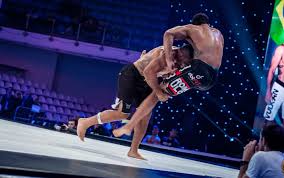
Grappling and Clinch Work
Takedowns and Throws
-
Hip Tosses:
- Technique: Executed by using the hips as a pivot point to throw the opponent over. Typically involves gripping the opponent’s arm or body and leveraging the hip for the throw.
- Application: Effective for taking an opponent to the ground quickly and with control.
- Training Insight: Drills include practicing the timing and execution of the throw with partners, focusing on balance and leverage.
-
Single and Double-Leg Takedowns:
- Technique: Involves grabbing one or both of the opponent’s legs and driving forward or lifting to bring them down.
- Application: Useful for disrupting the opponent’s balance and bringing them to the ground, where further control or submission can be applied.
- Training Insight: Emphasis on explosive power and technique. Drills include practicing the takedown entries and finishes, often in grappling or wrestling scenarios.
Clinching
- Under hooks and Over hooks:
- Technique: Under hooks involve placing the arm underneath the opponent’s arm to gain control, while over hooks involve wrapping the arm over the opponent’s arm.
- Application: Useful for controlling the opponent’s upper body and neutralizing their ability to strike or escape.
- Training Insight: Drills focus on maintaining control and using the clinch to set up takedowns or control the opponent’s movement.
Training The Takedowns and Throws
Hip Tosses
Technique:
- Execution: The hip toss (or hip throw) involves using your hips as a pivot point while gripping the opponent’s arm or body. You position your hip underneath the opponent’s centre of gravity and then use your hips and body weight to lift and throw them over.
- Setup: Start by securing a grip on the opponent’s arm or body. Position your hips close to theirs, ideally under their centre of gravity. Use your leg and hip to create a pivot point, while rotating your body to complete the throw.
Training Methods:
-
Drill: Basic Hip Toss Practice
- Partner Work: Practice the hip toss with a partner in a controlled manner. Begin with light throws to focus on technique and proper positioning.
- Focus: Emphasize the use of your hips and balance. Ensure proper grip and body positioning.
-
Drill: Shadow Hip Tosses
- Solo Practice: Perform the motion of the hip toss without a partner. Use a wall or dummy to simulate the opponent’s body, practicing the pivoting and throwing motion.
-
Drill: Resistance Training
- Live Practice: Work with partners who provide varying levels of resistance. Start with lighter resistance and gradually increase as proficiency improves.
-
Drill: Combination Drills
- Integration: Combine the hip toss with other techniques, such as strikes or submissions, to simulate real combat scenarios. Practice transitioning smoothly between techniques.
Training Insight: Focus on timing and leverage. Practice hip placement, body rotation, and grip strength. Conditioning exercises for core strength and hip flexibility are also essential.
Single and Double-Leg Takedowns
Technique:
- Single-Leg Takedown: Involves grabbing one of the opponent’s legs and lifting or driving forward to bring them down. The goal is to disrupt their balance and control their movement.
- Double-Leg Takedown: Involves grabbing both of the opponent’s legs and driving forward or lifting to bring them to the ground. This takedown is more forceful and provides more control.
Training Methods:
-
Drill: Basic Takedown Practice
- Partner Work: Practice single and double-leg takedowns with a partner. Focus on technique, including proper grip and driving motion.
- Focus: Emphasize explosive movement and proper body positioning. Practice both the entry and finish of the takedown.
-
Drill: Shot Drills
- Solo Practice: Perform repetitive shot drills to improve the explosive power and accuracy of your takedown entries. Use a dummy or heavy bag if a partner is unavailable.
-
Drill: Resistance Takedowns
- Live Practice: Work with partners who provide resistance during takedowns. Start with moderate resistance and gradually increase as proficiency improves.
-
Drill: Takedown Combinations
- Integration: Combine takedowns with other grappling techniques or submissions. Practice transitioning between takedowns and ground control techniques.
Training Insight: Emphasize explosive power, balance, and proper technique. Drills should focus on improving timing, grip strength, and body mechanics. Conditioning exercises for leg strength and agility are also beneficial.
Clinching
Under hooks and Over hooks
Technique:
- Under hooks: Achieved by placing your arms under the opponent’s arms, which allows you to control their upper body and neutralize their striking ability.
- Over hooks: Involves placing your arms over the opponent’s arms, which can be used to control their movement and limit their ability to escape or strike.
Training Methods:
-
Drill: Underhook and Overhook Practice
- Partner Work: Practice securing and maintaining underhooks and overhooks with a partner. Focus on gaining control and maintaining proper posture.
- Focus: Emphasize proper grip and body positioning. Practice transitioning between underhooks and overhooks as needed.
-
Drill: Clinch Work
- Solo Practice: Use a wall or dummy to practice the movements and positioning required for effective clinching. Focus on maintaining control and proper body alignment.
-
Drill: Clinch Escapes
- Partner Work: Practice escaping from clinch positions using various techniques. Work on creating space and transitioning to more dominant positions.
-
Drill: Clinch Combinations
- Integration: Combine clinch techniques with other grappling or striking techniques. Practice transitioning between clinching and other actions.
Training Insight: Focus on maintaining control and leveraging body weight. Practice with partners of varying skill levels to improve adaptability. Conditioning exercises for grip strength and upper body endurance are also important.
Summary of Key Training Insights:
- Balance and Leverage: Emphasize correct body positioning and the use of leverage in both throws and takedowns.
- Explosive Power: Develop explosive strength for effective entries and finishes, especially in takedowns.
- Controlled Practice: Use gradual resistance and controlled scenarios to refine technique and improve execution.
- Conditioning: Incorporate exercises to build strength, flexibility, and endurance, particularly in the core, hips, and legs.
These training methods help soldiers and combatants develop the skills necessary for effective takedowns, throws, and clinching in real-world combat scenarios.
