

Introduction to Physical Conditioning
Components of Physical Fitness
Principles of Physical Conditioning
Types of Physical Conditioning
Sports Conditioning
Create Physical force through Functional Strength, Power and Explosiveness all through efficiently developed conditioning
Designing a Conditioning Program
Specifically designed conditioning Programs for Athletes or Individuals based on factors of lifestyle, social and financial capacities.
Nutrition and Physical Conditioning
How both Nutrition and Physical Conditioning integrate and respond to each other, contributing significantly to performance and overall health and wellbeing.
Nutrition for Athletes
Specific Nutritional Requirements and Needs for Athletes performing at Off Season or Demanding Competitive Levels, from beginner to elite.
Injury Prevention and Management
Psychological Aspects of Physical Conditioning
Case Studies and Practical Applications
Analysis With Regards to The Latest Health Related Data and Results
Conclusion and Future Trends
General Planes Of Movement
learn the various directions and planes of dynamic movement to understand motion and its functions applied in the real world.
The Body’s Foundation: The Skeletal System
usually neglected in most training routines and mistakenly accounted for general training and conditioning Routines that still risk injuries.
Technological Aspects Of Physical Training & Conditioning
we take a look at the technological devices on both personal and demographic level when it comes integrating and implementing tools for better performance and daily health improvements. Is it worth the while and Effectiveness?
Mathematical Models & Training Implementation
Peak into the surface levels of the models and numerical information regarding movement and the real science behind the mechanisms and process that bring about amazing and marvellous biomechanics and anatomical advantages to create movement. You don't have to be a mathematician nor love the subject, simply dig in and we will explain the rest the simplest way that will stir up intrigue and fascination.
This feature has been disabled by the administrator
What is Sports Conditioning?
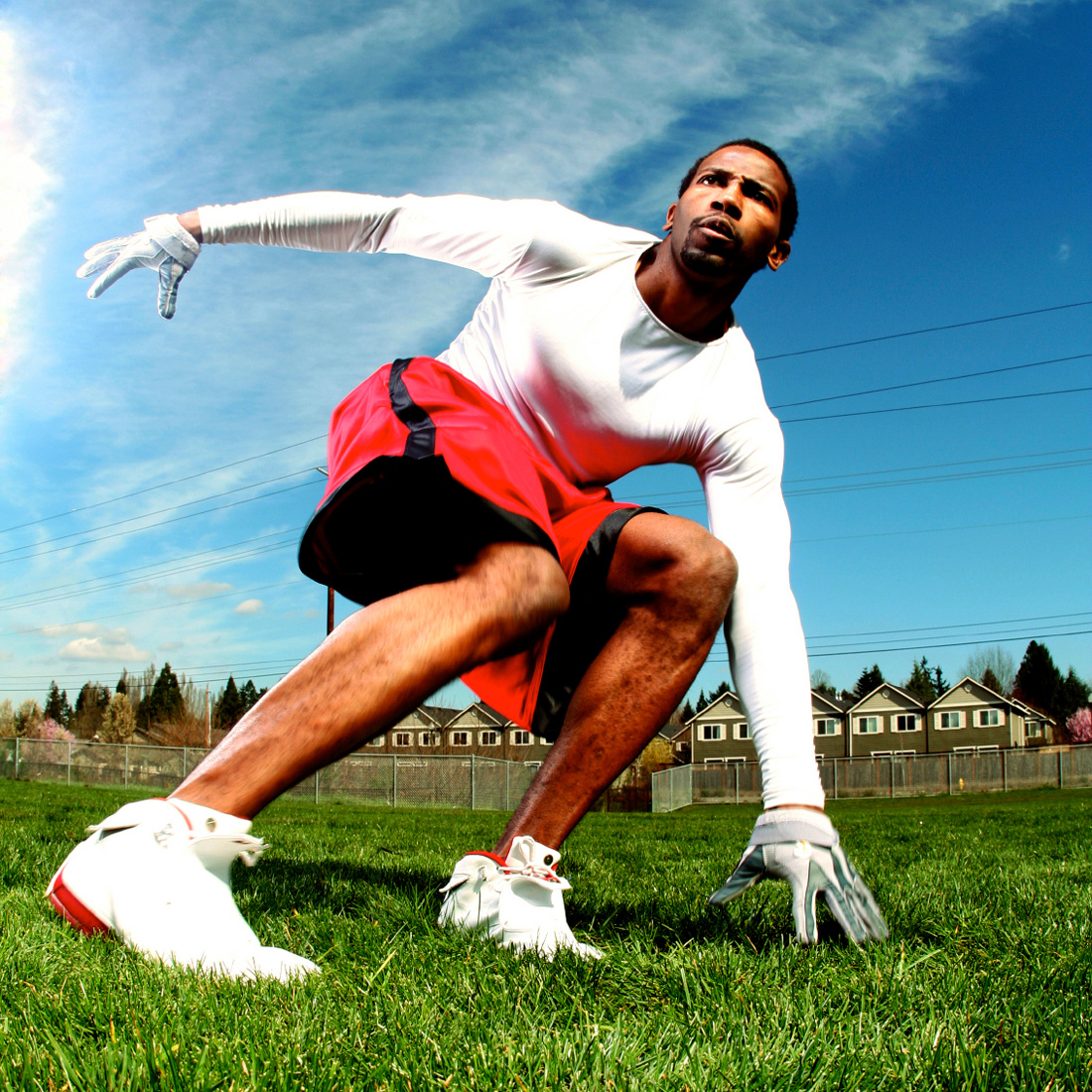
Sports conditioning is a planned and organized way of training that helps athletes get better at their specific sport. It includes different types of exercises and drills designed to meet the needs of the sport. The goal is not just to get fit but to make the athlete’s body work its best for their sport. This means getting stronger, faster, more agile, having better endurance, flexibility, and coordination, and improving sport-specific skills and techniques.
Why is Sports Conditioning Important?
- Better Performance: The main aim of sports conditioning is to help athletes perform better in their sport. By focusing on training that is specific to their sport, athletes can develop the skills and physical abilities they need to excel. This can lead to better results in games and competitions.
- Preventing Injuries: Good sports conditioning strengthens muscles, improves flexibility, and enhances coordination, which helps prevent injuries. Well-conditioned athletes are less likely to get hurt, such as having muscle strains or sprains.
- Efficiency: Sports conditioning helps athletes move more efficiently. This means they can perform skills with less effort and more accuracy, which is crucial in competitive situations.
- Mental Strength: The tough training in sports conditioning also builds mental toughness. Athletes learn to push through physical and mental challenges, which can help them not only in sports but in other areas of life too.
- Recovery and Adaptation: A good sports conditioning program includes ways to help athletes recover and adapt. This ensures they can keep training without overdoing it and can recover quickly from hard training sessions or competitions.
- Long-Term Growth: Sports conditioning is important for the long-term growth of athletes. It helps them keep improving and reach their full potential over their careers.
- Sport-Specific Skills: Unlike general fitness training, sports conditioning focuses on the specific skills and movements needed for a particular sport. This targeted training makes sure that the exercises are directly useful for the athlete’s performance.
In short, sports conditioning is a key part of an athlete’s training. It not only improves physical abilities but also helps with overall athletic growth, injury prevention, and mental toughness. By focusing on what their sport requires, athletes can achieve their best performance and maintain it over time.
