

Introduction to Physical Conditioning
Components of Physical Fitness
Principles of Physical Conditioning
Types of Physical Conditioning
Sports Conditioning
Create Physical force through Functional Strength, Power and Explosiveness all through efficiently developed conditioning
Designing a Conditioning Program
Specifically designed conditioning Programs for Athletes or Individuals based on factors of lifestyle, social and financial capacities.
Nutrition and Physical Conditioning
How both Nutrition and Physical Conditioning integrate and respond to each other, contributing significantly to performance and overall health and wellbeing.
Nutrition for Athletes
Specific Nutritional Requirements and Needs for Athletes performing at Off Season or Demanding Competitive Levels, from beginner to elite.
Injury Prevention and Management
Psychological Aspects of Physical Conditioning
Case Studies and Practical Applications
Analysis With Regards to The Latest Health Related Data and Results
Conclusion and Future Trends
General Planes Of Movement
learn the various directions and planes of dynamic movement to understand motion and its functions applied in the real world.
The Body’s Foundation: The Skeletal System
usually neglected in most training routines and mistakenly accounted for general training and conditioning Routines that still risk injuries.
Technological Aspects Of Physical Training & Conditioning
we take a look at the technological devices on both personal and demographic level when it comes integrating and implementing tools for better performance and daily health improvements. Is it worth the while and Effectiveness?
Mathematical Models & Training Implementation
Peak into the surface levels of the models and numerical information regarding movement and the real science behind the mechanisms and process that bring about amazing and marvellous biomechanics and anatomical advantages to create movement. You don't have to be a mathematician nor love the subject, simply dig in and we will explain the rest the simplest way that will stir up intrigue and fascination.
This feature has been disabled by the administrator
Current Trends in Physical Conditioning
The way we approach fitness is always changing, thanks to new science, technology, and what society values. Here are some important trends in physical conditioning today:
1. Wearable Technology
Devices like fitness trackers, smartwatches, and heart rate monitors are everywhere. They give real-time data on steps, calories, heart rate, and sleep. This helps people customize their workouts and track progress.
2. High-Intensity Interval Training (HIIT)
HIIT is popular because it’s quick and effective. It involves short, intense exercise bursts followed by rest. HIIT improves heart health, burns calories, and builds muscle faster than regular cardio. Although there has been a steady minor drop in its searched popularity over the years since 2021, enthusiasts or just regular fitness goers are looking towards functional fitness.
3. Functional Fitness
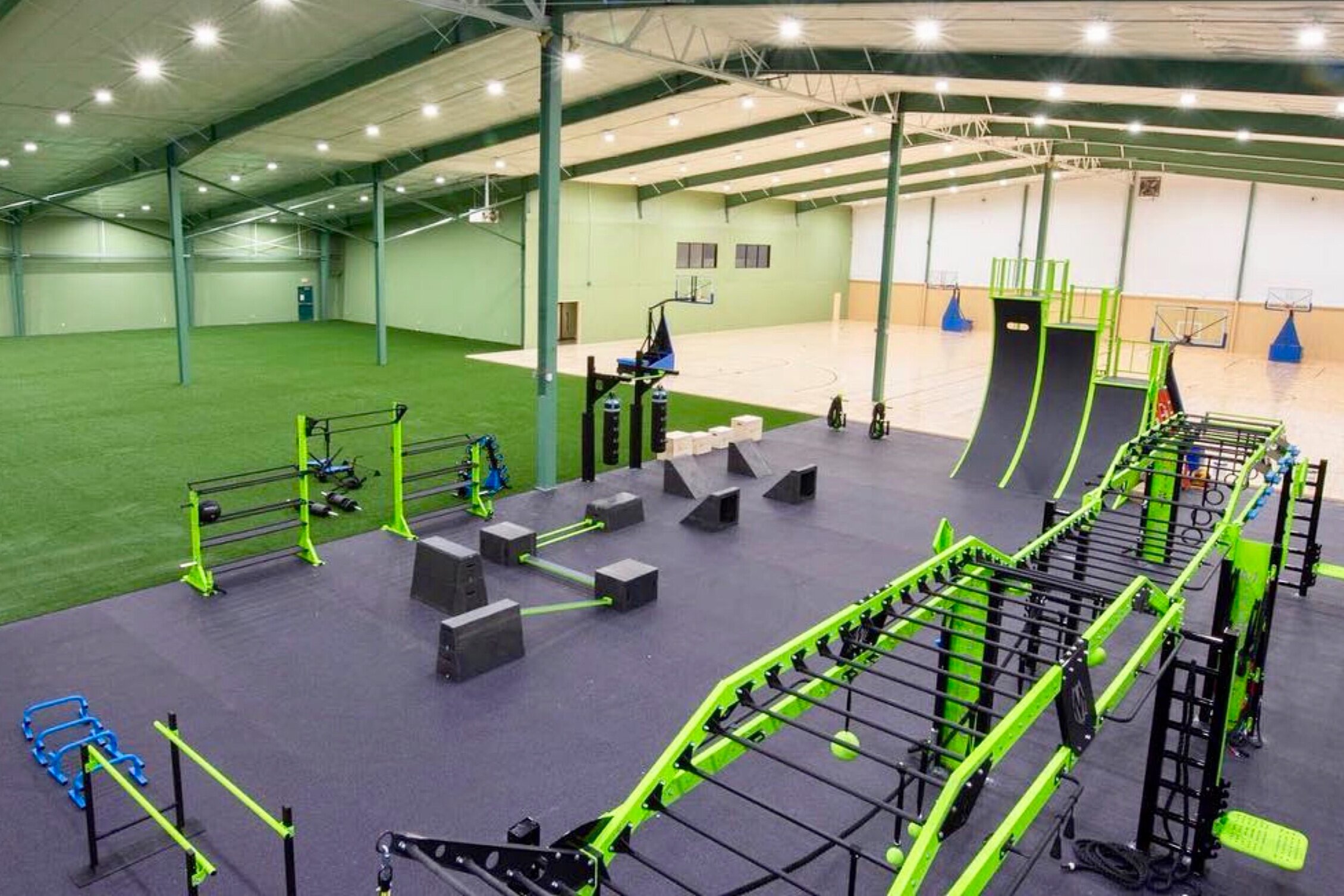
Functional fitness includes exercises that mimic everyday movements to improve overall body function. It focuses on strength, balance, coordination, and flexibility, helping with daily activities and reducing injury risk. Equipment like kettlebells and resistance bands are often used. This specific category has gained immense popularity and is on the rise to being the next trend of the fitness compass of health and wellbeing.
4. Group Training
Group fitness classes, like spin, aerobics, yoga, and boot camps, are still popular. They offer community and motivation, making it easier to stick to a fitness routine and providing support for all fitness levels.
5. Mind-Body Connection
There’s a growing focus on the mind-body connection in fitness. Practices like yoga, Pilates, and tai chi are included in routines to promote mental well-being, reduce stress, and improve flexibility and core strength. Mindfulness and meditation are also becoming important in fitness.
6. Personalized Fitness Programs
Technology and data now allow for highly personalized fitness plans. Apps and online platforms create custom workout plans based on fitness level, goals, and preferences, often with virtual coaching and feedback.
7. Recovery and Regeneration
Recovery is now seen as crucial in fitness. Techniques like foam rolling, massage therapy, cryotherapy, and compression garments help reduce muscle soreness, improve circulation, and enhance recovery, making training more effective.
8. Sustainable Fitness
Sustainable fitness focuses on long-term health rather than quick fixes. It promotes balanced, consistent exercise routines that can be maintained for life, and includes eco-friendly practices like using sustainable equipment.
9. Virtual and Online Training
Virtual and online training have grown, especially due to the pandemic. Many people now join live-streamed classes, on-demand workout videos, and virtual personal training sessions, offering flexibility and convenience from home.
10. Holistic Health Approaches
Holistic health combines physical conditioning with nutrition, mental health, and sleep. This approach recognizes that true fitness comes from a balanced lifestyle supporting overall well-being.
11. Inclusive Fitness
There’s a push to make fitness accessible to everyone, regardless of age, ability, or socioeconomic status. Adaptive fitness programs, senior fitness classes, and community initiatives aim to break down barriers and encourage physical activity for all.
These trends show how the fitness industry is always looking for new ways to improve health and performance. However, it is important to question such methods and oneself as part of one or a combination of all the categories mentioned above. Are they really Adaptive and effective when the circumstances changes; both environmentally and on the individual basis?
Why is it that we still face multiple both mental and physical health issues in present day, despite of such advances that are accessible and diverse in their solutions?
