

Introduction to Physical Conditioning
Components of Physical Fitness
Principles of Physical Conditioning
Types of Physical Conditioning
Sports Conditioning
Create Physical force through Functional Strength, Power and Explosiveness all through efficiently developed conditioning
Designing a Conditioning Program
Specifically designed conditioning Programs for Athletes or Individuals based on factors of lifestyle, social and financial capacities.
Nutrition and Physical Conditioning
How both Nutrition and Physical Conditioning integrate and respond to each other, contributing significantly to performance and overall health and wellbeing.
Nutrition for Athletes
Specific Nutritional Requirements and Needs for Athletes performing at Off Season or Demanding Competitive Levels, from beginner to elite.
Injury Prevention and Management
Psychological Aspects of Physical Conditioning
Case Studies and Practical Applications
Analysis With Regards to The Latest Health Related Data and Results
Conclusion and Future Trends
General Planes Of Movement
learn the various directions and planes of dynamic movement to understand motion and its functions applied in the real world.
The Body’s Foundation: The Skeletal System
usually neglected in most training routines and mistakenly accounted for general training and conditioning Routines that still risk injuries.
Technological Aspects Of Physical Training & Conditioning
we take a look at the technological devices on both personal and demographic level when it comes integrating and implementing tools for better performance and daily health improvements. Is it worth the while and Effectiveness?
Mathematical Models & Training Implementation
Peak into the surface levels of the models and numerical information regarding movement and the real science behind the mechanisms and process that bring about amazing and marvellous biomechanics and anatomical advantages to create movement. You don't have to be a mathematician nor love the subject, simply dig in and we will explain the rest the simplest way that will stir up intrigue and fascination.
This feature has been disabled by the administrator
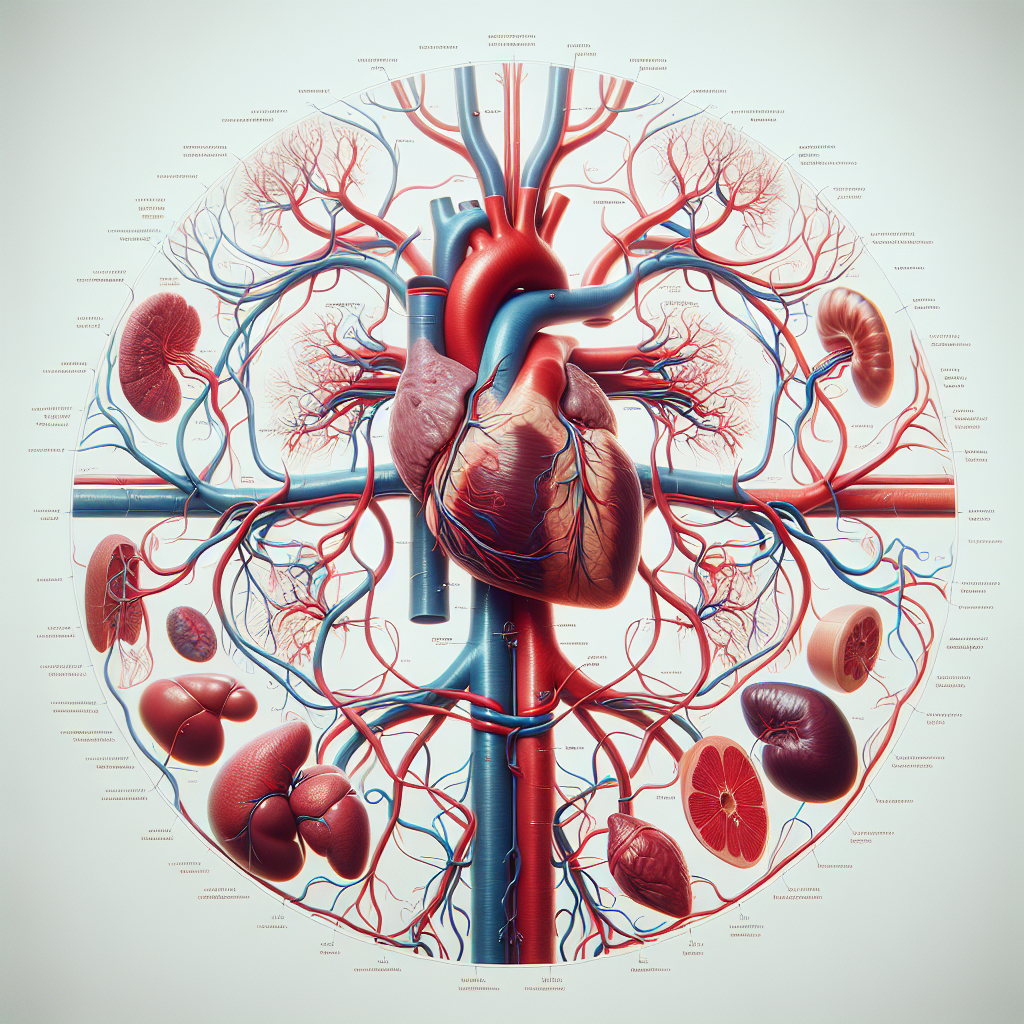
Cardiovascular Endurance
Cardiovascular endurance, also called cardiorespiratory endurance or aerobic fitness, is the ability of your heart, lungs, and blood vessels to deliver oxygen and nutrients to your muscles during long periods of physical activity. It’s important for staying healthy and performing well in sports and daily tasks.
Why Cardiovascular Endurance Matters
- Heart Health: Regular cardio exercise makes your heart stronger, helping it pump blood more efficiently. This lowers the risk of heart diseases like heart attacks and high blood pressure.
- Better Breathing: Cardio workouts improve lung capacity, making it easier for your lungs to take in oxygen and get rid of carbon dioxide.
- Higher Metabolism: Aerobic exercises increase your metabolic rate, which helps with weight management and burning fat.
- Improved Blood Flow: Good cardiovascular endurance ensures that your muscles get enough oxygen and nutrients, which is crucial for performance and recovery.
- Mental Health: Regular aerobic exercise can reduce stress, anxiety, and depression, while also boosting your mood and brain function.
How to Improve Cardiovascular Endurance
- Running and Jogging: These are great ways to boost your cardiovascular endurance. Mixing in high-intensity intervals can make your workouts even more effective.
- Cycling: Riding a bike, whether stationary or outdoors, is a low-impact exercise that can greatly improve your cardio fitness.
- Swimming: Swimming works your whole body and is excellent for cardiovascular endurance because it uses many muscle groups and helps with efficient oxygen use.
- Rowing: Using a rowing machine targets both upper and lower body muscles, enhancing both cardiovascular endurance and muscle strength.
- High-Intensity Interval Training (HIIT): HIIT involves short bursts of intense exercise followed by rest. It’s a quick and effective way to improve cardiovascular endurance.
Measuring Cardiovascular Endurance
- VO2 Max Test: This test measures the maximum amount of oxygen your body can use during intense exercise. It’s a top method for assessing cardiovascular endurance.
- Heart Rate Monitoring: Keeping track of your heart rate during exercise can show your cardiovascular fitness. A lower resting heart rate and faster recovery time are good signs.
- Timed Distance Runs: Tests like running as far as you can in 12 minutes or completing a 1.5-mile run can measure your cardiovascular endurance.
- Step Test: Stepping up and down on a platform for a set time and then measuring your heart rate recovery is a simple way to check cardiovascular fitness.
Tips for Training Cardiovascular Endurance
- Frequency: Do cardio exercises 3-5 times a week to see improvements.
- Intensity: Exercise at a moderate to vigorous intensity, around 60-85% of your maximum heart rate, to effectively boost cardiovascular endurance.
- Time: Aim for at least 150 minutes of moderate-intensity or 75 minutes of high-intensity cardio exercise each week.
- Variety: Mix different aerobic activities to keep your workouts interesting and engage different muscle groups.
Conclusion
Cardiovascular endurance is one of the important factors to overall health and athletic performance but it is not the key to it. By regularly doing aerobic exercises and following good training practices, you can improve your cardiovascular endurance and enjoy many physical and mental health benefits.
The best approach would be actually to integrate cardiovascular training into the movements and exercises that are being practiced rather than isolate it as a separate routine.
