

Introduction to Physical Conditioning
Components of Physical Fitness
Principles of Physical Conditioning
Types of Physical Conditioning
Sports Conditioning
Create Physical force through Functional Strength, Power and Explosiveness all through efficiently developed conditioning
Designing a Conditioning Program
Specifically designed conditioning Programs for Athletes or Individuals based on factors of lifestyle, social and financial capacities.
Nutrition and Physical Conditioning
How both Nutrition and Physical Conditioning integrate and respond to each other, contributing significantly to performance and overall health and wellbeing.
Nutrition for Athletes
Specific Nutritional Requirements and Needs for Athletes performing at Off Season or Demanding Competitive Levels, from beginner to elite.
Injury Prevention and Management
Psychological Aspects of Physical Conditioning
Case Studies and Practical Applications
Analysis With Regards to The Latest Health Related Data and Results
Conclusion and Future Trends
General Planes Of Movement
learn the various directions and planes of dynamic movement to understand motion and its functions applied in the real world.
The Body’s Foundation: The Skeletal System
usually neglected in most training routines and mistakenly accounted for general training and conditioning Routines that still risk injuries.
Technological Aspects Of Physical Training & Conditioning
we take a look at the technological devices on both personal and demographic level when it comes integrating and implementing tools for better performance and daily health improvements. Is it worth the while and Effectiveness?
Mathematical Models & Training Implementation
Peak into the surface levels of the models and numerical information regarding movement and the real science behind the mechanisms and process that bring about amazing and marvellous biomechanics and anatomical advantages to create movement. You don't have to be a mathematician nor love the subject, simply dig in and we will explain the rest the simplest way that will stir up intrigue and fascination.
This feature has been disabled by the administrator
About Lesson
The History of Physical Fitness
Ancient Times:
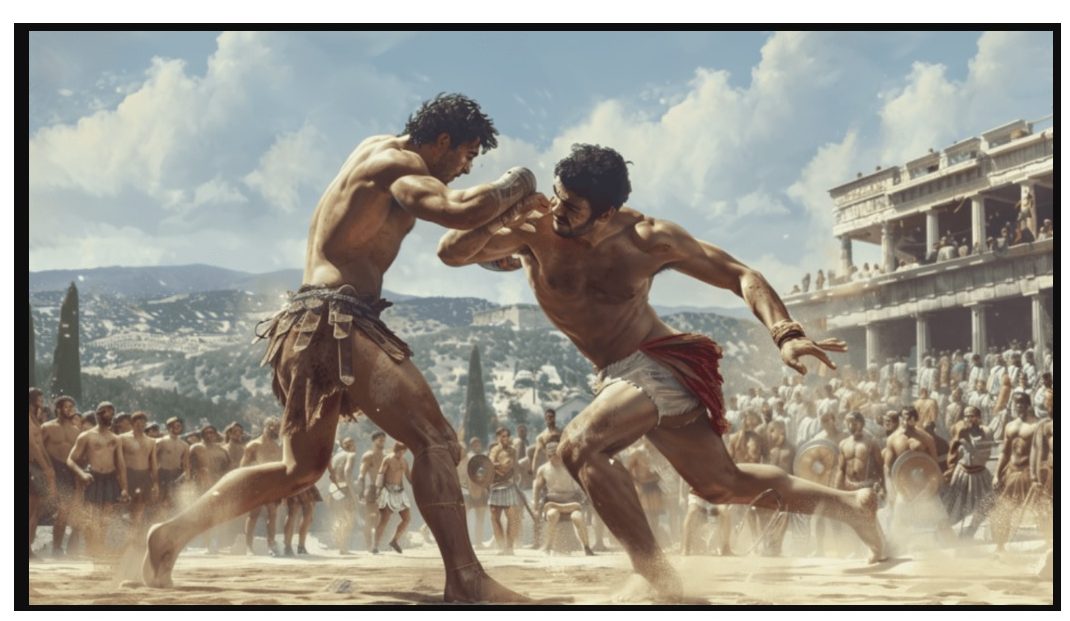
- Ancient Greece: Physical fitness was very important. The Greeks believed in having a strong body and mind, a concept they called “arete,” meaning excellence. The Olympic Games, starting in 776 BC, were a big part of Greek culture and showed their commitment to fitness through various sports.
- Ancient Rome: Romans also valued physical fitness, especially for their soldiers. Roman soldiers trained hard in activities like running, jumping, swimming, and using weapons to be ready for battle.
Middle Ages:
- In Europe, physical fitness became less important because of feudalism and the Church, which often didn’t support physical activities. However, in Asia, martial arts like Kung Fu and Karate continued to focus on physical training, discipline, and mental strength.
Renaissance:
- Interest in physical fitness returned during the Renaissance. People rediscovered Greek and Roman ideas, and scholars started to support physical education in schools.
19th Century:
- This period saw the start of organized sports and physical education programs in schools and universities. Important figures like Friedrich Ludwig Jahn, known as the “father of gymnastics,” and Per Henrik Ling, who created the Swedish system of gymnastics, were key in promoting physical fitness.
20th Century:
- Sports became more professional, and exercise science emerged as a field of study. New training methods, fitness equipment, and fitness organizations developed. The fitness boom of the 1970s and 1980s made activities like jogging, aerobics, and bodybuilding popular.
Today:
- Physical fitness is seen as essential for health and well-being. Advances in sports science, nutrition, and technology have made fitness more accessible and effective for everyone.
