

PRODUCT ANALYSIS
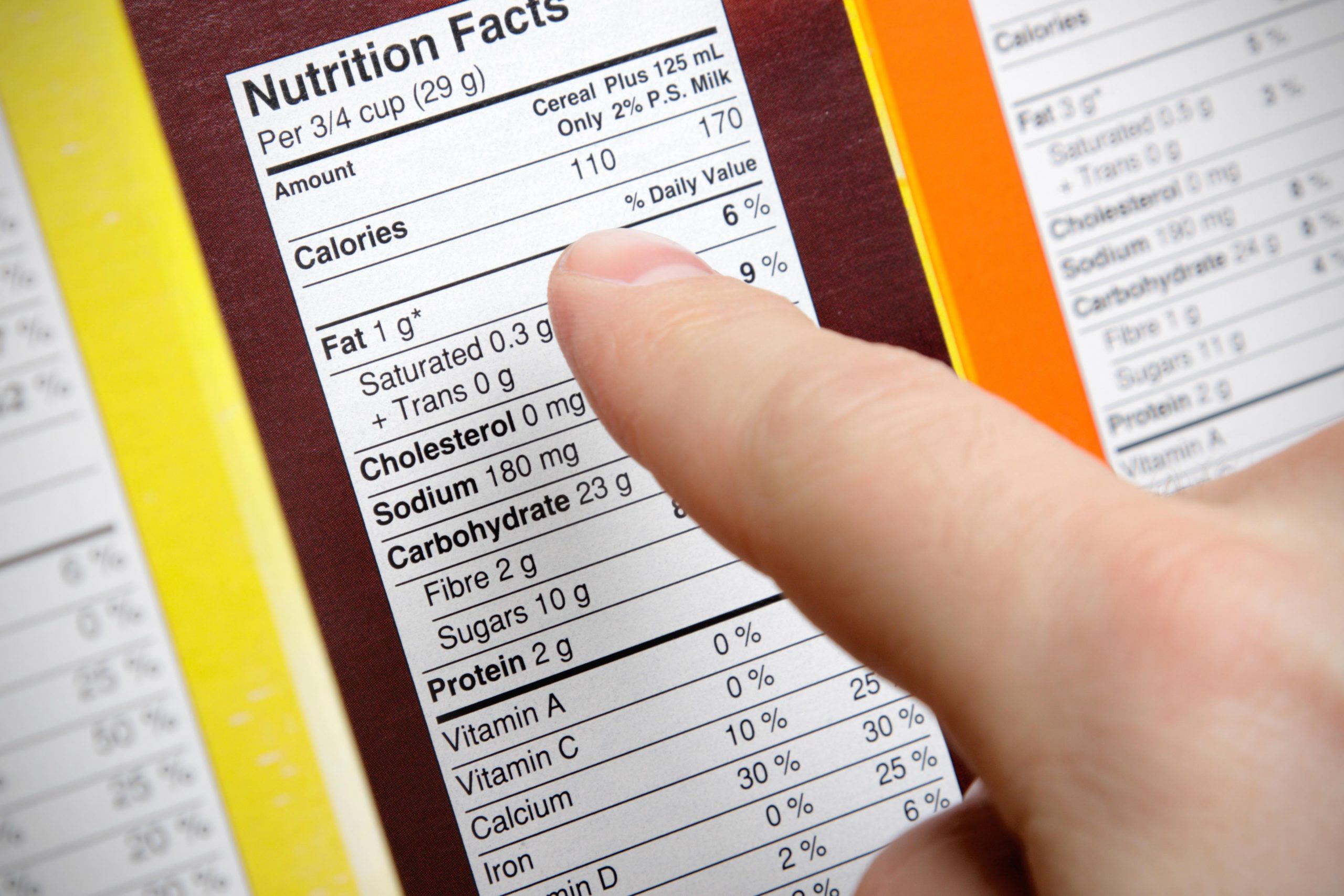
When One analyses the product both Food and Beverages the following information must be considered and factored when determining a products nutritional quality and standard for appropriate health standards, the majority of us just factor in the quantity of macronutrients such as carbs, protein and fat but never the quality and type of ingredients:
1. Quantity and Type of Carbohydrates: This provided information details the amount of both simple and complex carbohydrates in a food item or beverage, as well as the concentration of sugars within those carbohydrates per given portion. It specifies how the ratio of sugar compares to other forms of energy provided by the carbohydrates. Highlighting the significance of the nutritional value and importance relative to other essential biological required biochemical requirements. Usually the information can be presented in the following:
1. Serving Size and Servings Per Container
-
- Serving Size: This indicates the amount of food that is considered one serving. All the nutritional information on the label is based on this serving size. It’s important to compare the serving size to the amount you actually eat.
-
- Servings Per Container: This tells you how many servings are in the entire package. If you consume more than one serving, you need to multiply the nutritional values accordingly.
2. Calories and Calories from macronutrient
-
- Calories: This measures the amount of energy you get from one serving of the food. Monitoring calorie intake is essential for managing weight and energy balance.
-
- Calories from Fat: This indicates how many of the total calories come from fat. While fat is a necessary nutrient, it is calorie-dense, so it’s important to keep track of fat intake.
3. Nutrient group category information
-
- Total Fat: Includes all types of fat in the food. It’s broken down into:
-
- Saturated Fat: High intake of saturated fat is linked to heart disease.
-
- Trans Fat: Should be avoided as much as possible as it increases the risk of heart disease.
-
- Total Fat: Includes all types of fat in the food. It’s broken down into:
-
- Cholesterol: High levels of cholesterol can contribute to heart disease.
-
- Sodium: High sodium intake can lead to high blood pressure and other cardiovascular issues.
-
- Total Carbohydrates: Includes all types of carbohydrates, broken down into:
-
- Dietary Fiber: Important for digestive health and gut bacteria, this also helps in blood sugar level stabilization and regulation, the release of energy into the blood stream is one key factor we should watch out for as fiber is stripped by a lot of product manufacturers, due to low shelf life.
-
- Sugars: Includes both natural and added sugars. High sugar intake can lead to various health issues, including obesity and diabetes, especially if they have been through a high processing and ultra processed stages to increase the manufacturing efficiency, product convenience and product appeal through palate manipulation.
-
- Total Carbohydrates: Includes all types of carbohydrates, broken down into:
- Protein: Essential for building and repairing tissues.
2. The specificity of ingredients and the degree of processing: this plays a crucial role in understanding the category of a product and the processed items used to create it. Key factors to consider include the type of sugar, additives, preservatives, emulsifiers, and flavour enhancers. These elements are significant indicators of product quality, value, and nutritional consistency, emphasizing that not all calories are created equal. This distinction is important because products within the same food category can vary widely in terms of energy quality. Ingredients are often combined to create sensations of pleasure and temporary satiety, rather than providing nutritional value and meeting essential metabolic needs. This approach is tailored to achieving specific objectives, rather than ensuring a smooth process for fulfilling nutritional requirements.
3. The manufacturer and supplier information: is often the most neglected yet crucial aspect of a product. Understanding this information helps make informed purchasing decisions and provides insight into the nature of the product. This data reveals what the company excels at and the level of efficiency and focus it applies in production. It also sheds light on how the company serves its customers. Key considerations include whether the company specializes in processed and ultra-processed products or focuses on providing raw, essential food sources. Additionally, it’s important to assess the company’s affiliations with subsidiary companies, partnerships, or competitors, as well as its distribution model and outreach strategies. The Association of the product, its type and who creates it is much more important than considered into defining the underlying intention of the products delivery.
4. Raw Materials and Resources: The specifics of our raw materials are not disclosed to clients and remain confidential within our company practices. Products like olive oil and honey can vary significantly based on their regional origin, whether they are natural or processed. Our advanced logistics and sourcing strategies prioritize cost and supply efficiency as the primary initiative and driver. However, regional factors such as industrial complexity, national regulations, and cultural values affect product quality and safety. Key factors influencing product quality and health safety include:
– Air pollution and quality
– Water pollution and quality
– Soil pollution and quality
– Radiation levels and pollution (variable)
These factors determine the level of contamination and toxicity in products, distinguishing genuinely organic, natural, and healthy options from those that are speculated or hyped. True sustainability for raw, organic, and natural products faces challenges due to consumer demand and the financial burdens it places on manufacturers and suppliers.
5. Propaganda methods and outdated food standards and regulations: This information often comes from agricultural and food regulatory authorities, medical research institutes, health associations, and at times from self-proclaimed experts( If the product is expanding its marketing outreach). These standards are frequently not fully researched or proven effective. For example, the food pyramid, introduced in the 1970s, has been a widely accepted guideline for healthy eating despite a lack of ongoing investigation into its validity. It remains a baseline reference for nutritional recommendations, even as cases of weight issues and chronic metabolic diseases have increased, correlating with this outdated model. What we can deduce from the published annual data and tracking the results of such guidelines is that there is a strong correlation between the pyramid food standard integration and the rising health complications over the decade. here are additional marketing tools and methods used to sell the products and draw customer interest:
Additional Claims and Information
-
- Nutrient Content Claims: Terms like “low fat,” “high fiber,” or “reduced sodium” provide quick information about the nutritional benefits of the product.
-
- Health Claims: These are statements about the relationship between a food or ingredient and reduced risk of a disease or health-related condition (e.g., “may reduce the risk of heart disease”).
- Structure/Function Claims: These describe the role of a nutrient or dietary ingredient intended to affect normal structure or function in humans (e.g., “calcium builds strong bones”).
These points are worth mentions to reviewing and analysing products regarding the health benefits and advantages that are of concern to an individual or who are interested in understanding what they are getting out of the product that supplies a particular food enthusiast or health orientated individual.
