

Macronutrients & Products: Food & Beverage
Learn the developments, processing and ingredients behind the daily available food and beverages produces by certain manufacturers along with the health implications and nutritional quality behind these products.
Food & Beverage Nutrition Fundamentals
Get the basics from nutritional data sciences released to the biochemical understanding for a more vast and flexibility in the knowledge of having to deal with nutritional quality whenever and wherever.
Basic Biochemistry Of Nutrients & Dietary Sources
Biochemical fundamentals and their reactions through metabolic processes with regards to Nutrients & Dietary Sources. How will these sources of sustenance react with our body and how will our body respond?
Metabolic Pathways: Energy Metabolism
Metabolic Disease & Disorders: Insight To The Major Issues
when we see an individual who struggles with his or her weight, there are key observations and factors related to the issue we must come to understand before taking part or initiating and health approach or protocol.
Fasting & Findings
With so much options for both Food & Beverages marketed and accessible, Its easy to get caught up in constantly feeding and unconsciously consuming when not hungry. What's the best way to give our body time to rest, recover and replenish itself. Find out the process here.
Biological Machines & Nature´s Regulators: Viruses, Bacteria & Fungi
Discover the interesting role behind a diverse and unique group of organic Kingdoms that contribute to the essential change and progress of our natural order and overall bio systems.
Breathing & Nutrition: Overlooked Combination of life
We look at how both breathing and nutritional consumption play a crucial and crucial role in not just better health and well being but also better movement.
Agrochemical & Agricultural Practices
We review, Analyse and look into the many aspect of agricultural practices and methods used in todays food and beverage systems, from the very grain that supplies our stores and fast food franchises, to the chicken feed and supply and the dairy and cheese that are extracted, treated and distributed to our store shelves.
This feature has been disabled by the administrator
Dietary Sources
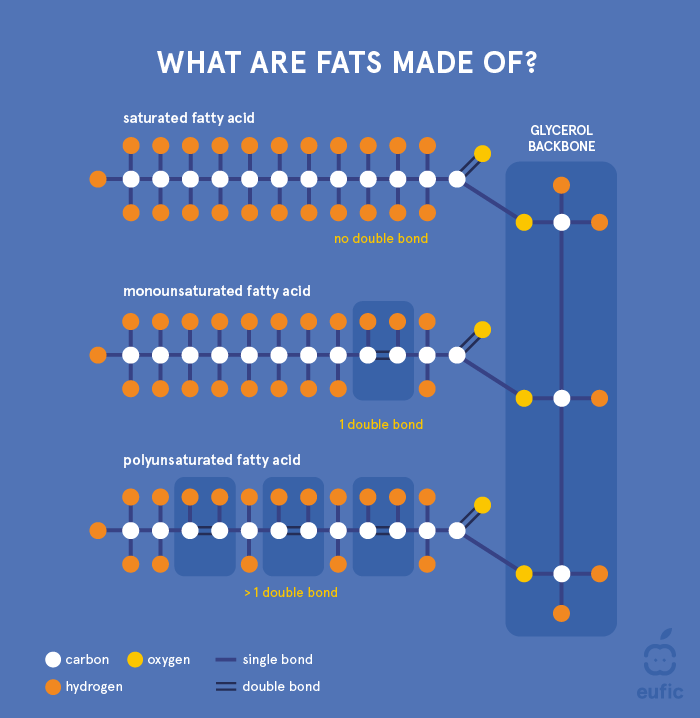
Understanding the dietary sources of lipids is crucial for maintaining a balanced diet and ensuring adequate intake of essential fatty acids. Lipids, commonly known as fats, are found in a variety of foods and can be categorized into different types based on their chemical structure and health effects. Here, we will explore the primary dietary sources of lipids, including saturated fats, unsaturated fats, and trans fats.
1. Saturated Fats
Saturated fats are typically solid at room temperature and are found in both animal and plant sources. They have been associated with increased levels of LDL cholesterol, which can contribute to cardiovascular diseases if consumed in excess.
-
- Animal Sources:
-
- Meat: Beef, pork, lamb, and poultry with skin
-
- Dairy Products: Butter, cheese, cream, and whole milk
-
- Lard: Rendered fat from pigs
-
- Animal Sources:
-
- Plant Sources:
-
- Coconut Oil: High in medium-chain triglycerides
-
- Palm Oil: Commonly used in processed foods
-
- Cocoa Butter: Found in chocolate and some baked goods
-
- Plant Sources:
2. Unsaturated Fats
Unsaturated fats are generally liquid at room temperature and are considered healthier fats. They are divided into monounsaturated fats (MUFAs) and polyunsaturated fats (PUFAs), including essential fatty acids like omega-3 and omega-6.
-
- Monounsaturated Fats (MUFAs):Have one double bond in the fatty acid chain.
-
- Olive Oil: Rich in oleic acid, beneficial for heart health
-
- Avocados: High in healthy fats and fiber
-
- Nuts and Seeds: Almonds, peanuts, and sesame seeds
-
- Canola Oil: Versatile cooking oil with a high MUFA content
-
- Monounsaturated Fats (MUFAs):Have one double bond in the fatty acid chain.
Health Benefits: Can help reduce LDL cholesterol levels and lower the risk of heart disease.
-
- Polyunsaturated Fats (PUFAs):
-
- Omega-3 Fatty Acids:
Definition: Omega-3 fatty acids are a type of polyunsaturated fat characterized by their chemical structure, which includes a double bond three carbon atoms from the end of the fatty acid chain.
Types:
- Alpha-Linolenic Acid (ALA): Found in plant sources such as flaxseeds, chia seeds, walnuts, and canola oil.
- Eicosapentaenoic Acid (EPA) and Docosahexaenoic Acid (DHA): Found primarily in fatty fish (salmon, mackerel, sardines), as well as in fish oil supplements.
Health Benefits:
- Cardiovascular Health: Omega-3 fatty acids help reduce inflammation, lower blood pressure, and decrease triglyceride levels. They are associated with a reduced risk of heart disease.
- Brain Health: EPA and DHA are important for brain function and development. They may help protect against cognitive decline and mental health conditions such as depression.
- Joint Health: Omega-3s can help reduce symptoms of arthritis and joint inflammation.
-
- Fish: Salmon, mackerel, sardines, and trout
-
- Flaxseeds and Chia Seeds: Plant-based sources of alpha-linolenic acid (ALA)
-
- Walnuts: Good source of ALA
- Omega-3 Fatty Acids:
-
- Omega-6 Fatty Acids:
Definition: Omega-6 fatty acids are also polyunsaturated fats, with a double bond six carbon atoms from the end of the fatty acid chain.
Types:
- Linoleic Acid (LA): Found in vegetable oils (sunflower, corn, safflower), nuts, and seeds.
- Arachidonic Acid (AA): Found in meat, poultry, and eggs.
Health Benefits:
- Cellular Function: Omega-6 fatty acids are important for cell membrane structure and function.
- Skin Health: Help maintain skin integrity and prevent dermatitis.
Considerations:
- Balance with Omega-3s: Excessive omega-6 intake, relative to omega-3 intake, can promote inflammation. It is important to balance omega-6 and omega-3 fatty acids in the diet to support overall health.
-
- Vegetable Oils: Sunflower, safflower, and soybean oils
-
- Nuts and Seeds: Pumpkin seeds and pine nuts
- Omega-6 Fatty Acids:
-
- Polyunsaturated Fats (PUFAs):
3. Trans Fats
Trans fats are artificially created through the hydrogenation of vegetable oils and are associated with negative health effects, including increased risk of heart disease. They are found in various processed and fried foods.
Sources:
- Artificial Trans Fats: Found in partially hydrogenated oils used in processed foods, baked goods, and some margarine:
-
- Processed Foods:
-
- Baked Goods: Cookies, cakes, and pastries
-
- Snack Foods: Crackers, microwave popcorn, and chips
-
- Margarine and Shortening: Used in baking and cooking
-
- Processed Foods:
-
- Fried Foods:
-
- Fast Food: French fries, fried chicken, and doughnuts
-
- Restaurant Foods: Foods cooked in partially hydrogenated oils
-
- Fried Foods:
Characteristics:
- Health Risks: Trans fats raise LDL cholesterol levels while also lowering high-density lipoprotein (HDL) cholesterol, increasing the risk of heart disease and stroke.
- Dietary Recommendations: Health organizations recommend minimizing or eliminating trans fat intake as much as possible.
- Natural Trans Fats: Present in small quantities in dairy products and meat from ruminant animals.
Characteristics:
- Health Risks: Trans fats raise LDL cholesterol levels while also lowering high-density lipoprotein (HDL) cholesterol, increasing the risk of heart disease and stroke.
- Dietary Recommendations: Health organizations recommend minimizing or eliminating trans fat intake as much as possible.
4. Cholesterol
While not a fat, cholesterol is a lipid that is found in animal products and is essential for the formation of cell membranes and hormones. However, excessive intake can lead to health issues.
-
- Animal Sources:
-
- Egg Yolks: High in dietary cholesterol
-
- Organ Meats: Liver and kidneys
-
- Shellfish: Shrimp, crab, and lobster
-
- Animal Sources:
Mechanisms Affecting Cardiovascular Health
Cholesterol Management:
- LDL Cholesterol: High levels of LDL cholesterol are a major risk factor for heart disease.
- HDL Cholesterol: High levels of HDL cholesterol can help remove LDL cholesterol from the bloodstream and protect against heart disease.
Inflammation:
- Omega-3 Fatty Acids: Reduce inflammatory markers and help lower the risk of chronic inflammatory conditions that contribute to cardiovascular disease.
Blood Pressure and Triglycerides:
- Omega-3 Fatty Acids: Can help lower blood pressure and triglyceride levels, reducing the risk of hypertension and related cardiovascular issues.
Blood Clotting:
- Omega-3 Fatty Acids: Help reduce blood clotting, which can decrease the risk of heart attacks and strokes.
Conclusion
Incorporating a variety of lipid sources into your diet can help ensure you receive the necessary fatty acids and other lipid-related nutrients while maintaining overall health. It is important to balance the intake of different types of fats, prioritizing unsaturated fats and minimizing the consumption of saturated and trans fats.
