

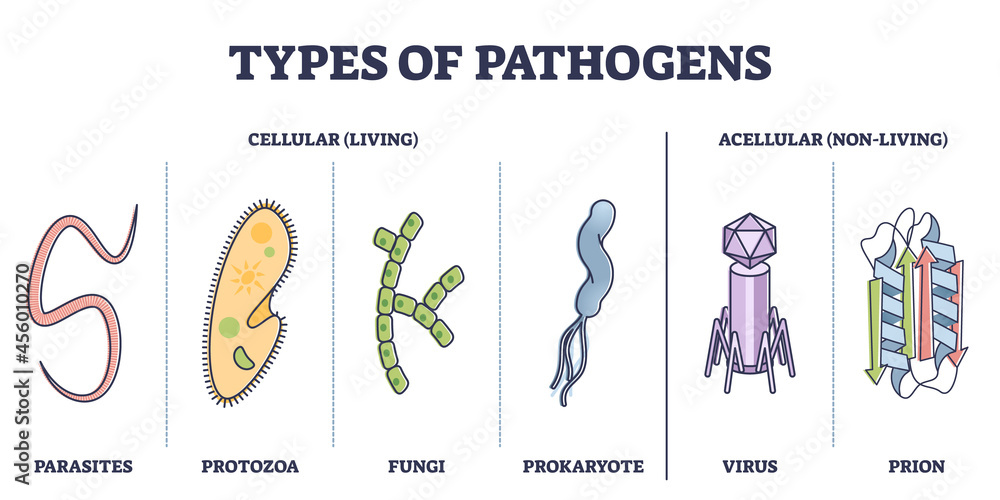
The relationship between humans and microorganisms—bacteria, fungi, and viruses—is often misunderstood, as these organisms are frequently associated with disease. However, their roles are far more intricate and essential to our survival and evolution. Over millions of years, humans and these microorganisms have co-evolved in complex ways that have significantly impacted our biology, health, and overall evolution. Let’s break down in greater detail how these microorganisms have shaped human development and the broader biological environment.
1. Bacteria
Role in Health and Human Biology:
-
Gut Microbiome and Digestion: Bacteria in the human gut number in the trillions, forming a vast and diverse community that is essential for breaking down complex carbohydrates and other substances that human enzymes cannot digest. Without these microbes, we would be unable to absorb certain nutrients. The gut microbiome also synthesizes essential vitamins, such as vitamin K and several B-vitamins, which are critical for human health, including blood clotting and energy metabolism.
-
Immune System Development: Exposure to beneficial bacteria in early life helps to educate the immune system. These bacteria train the immune system to distinguish between harmful pathogens and harmless agents, promoting immune tolerance and reducing the risk of autoimmune diseases, allergies, and inflammation. The development of immune cells, such as T-cells, is modulated by the presence of these microbes.
-
Protection from Pathogens: Many beneficial bacteria in the gut and on the skin compete directly with harmful pathogens for resources. These “good” bacteria often outcompete harmful ones, limiting the ability of dangerous pathogens to establish infections. In addition, some produce antimicrobial substances that actively fight harmful microbes.
Evolutionary Contributions:
-
Symbiosis and Co-evolution: Over evolutionary time, humans and bacteria have formed a symbiotic relationship. The human body has evolved to house these bacteria, providing them with a stable and nutrient-rich environment. In return, these bacteria have helped humans digest food, regulate the immune system, and defend against infections. It is estimated that the human microbiome contains about 100 times more bacterial genes than the human genome itself, illustrating just how crucial bacteria are to human biology.
-
Co-evolution of the Human Genome: The presence of bacteria has influenced the evolution of human genes, especially in areas related to digestion, immune function, and metabolism. Genes associated with immune regulation, such as those involved in the inflammatory response, have been shaped by the continuous interaction between humans and their microbial inhabitants.
2. Fungi
Role in Health and Human Biology:
-
Immune System Regulation: Like bacteria, fungi play a role in modulating the immune system. On mucosal surfaces and the skin, fungi contribute to maintaining a balanced microbial community. Some fungi help prevent the overgrowth of harmful pathogens by occupying ecological niches that might otherwise be filled by harmful microbes.
-
Antibiotic Production: Fungi are the source of many antibiotics, including penicillin, which revolutionized medicine. Penicillin, and other fungal-derived antibiotics like griseofulvin and cephalosporins, have saved millions of lives by treating bacterial infections that would have been fatal in pre-antibiotic eras. The discovery of fungal compounds has not only had a direct impact on human health but also significantly advanced modern medicine.
-
Nutrient Cycling and Fermentation: Fungi are vital in decomposing organic matter in ecosystems, recycling nutrients in soil, and contributing to the stability of the environment. In human diets, fungi are crucial in the fermentation of food (e.g., yeast in bread and alcohol production) and contribute to food preservation techniques.
Evolutionary Contributions:
-
Co-evolution with the Immune System: The human immune system has evolved to distinguish between different types of fungi and respond appropriately to fungal infections, which can be serious in immunocompromised individuals. This interaction has led to the evolution of immune responses that specifically target fungal antigens.
-
Mutual Benefits in Human Development: Fungi have contributed to human culture and survival in multiple ways. The development of antibiotics from fungi was a breakthrough that enhanced human life expectancy. Furthermore, edible fungi, such as mushrooms, have provided essential nutrition. In modern medicine, the discovery of antifungal treatments has allowed humanity to combat fungal diseases effectively, leading to improved health outcomes.
3. Viruses
Role in Health and Human Biology:
-
Genetic Evolution and Gene Transfer: While viruses are often viewed as pathogens, some play a critical role in the evolution of new genetic traits. Retroviruses, for example, integrate their genetic material into the genomes of their host organisms. Over evolutionary time, some of these viral genes have become part of the human genome, contributing to important biological processes. For instance, the human placental development may have been influenced by viral genes, and certain retroviral elements are thought to have contributed to the evolution of the immune system.
-
Immune System Modulation: Viruses “train” the immune system by stimulating immune responses. In many cases, a previous infection with a virus can lead to immunity to that virus or closely related strains. This process helps the immune system evolve to become more adept at recognizing and eliminating threats. The constant battle between the immune system and viruses has driven the development of more sophisticated immune defence mechanisms over time.
-
Oncolytic Viruses and Cancer Therapy: Emerging research into oncolytic viruses—viruses that specifically target and kill cancer cells—holds promise for cancer treatment. These viruses have evolved mechanisms to selectively infect and destroy tumour cells while sparing normal cells, making them an innovative and evolving tool in cancer therapy.
Evolutionary Contributions:
-
Incorporation of Viral DNA into Human Genome: Some viral elements have been retained in the human genome and have contributed to human evolution. One example is the syncytin gene, which is thought to be derived from a retrovirus and is involved in the formation of the placenta in mammals. This adaptation has been crucial to the evolution of placental mammals, including humans.
-
Co-evolution of Immune Defences: The ongoing interaction between humans and viruses has driven the evolution of immune defences. The continuous arms race between host and virus has led to the selection of immune genes that confer better resistance to viral infections. This evolutionary process has helped human populations adapt to the presence of diverse viral threats.
Overall Evolutionary Significance
The human species did not evolve in isolation but in constant interaction with the microscopic world. The symbiotic and sometimes antagonistic relationships with microorganisms have shaped not only human biology but also the trajectory of human evolution.
-
Co-evolution with Microorganisms: The co-evolution of humans and microorganisms has shaped vital aspects of human biology, including immune system development, digestion, and metabolic processes. These organisms have pushed the boundaries of our genetic capabilities, with some even contributing directly to the human genome.
-
Genetic Diversity and Survival: The microbial world has played a crucial role in maintaining genetic diversity in the human population. By facilitating gene transfer and enhancing immune responses, microorganisms have helped humans adapt to new environments and emerging pathogens. This constant evolution has ensured human survival in an ever-changing world.
-
Balancing Beneficial and Harmful Interactions: While microorganisms can cause disease, they are also integral to the functioning of the human body. The body has evolved mechanisms to deal with harmful microorganisms while promoting beneficial ones, which has allowed humans to thrive in diverse environments.
Conclusion
Bacteria, fungi, and viruses are not just agents of disease—they are key contributors to the evolutionary success of humans. Through complex interactions with our immune system, metabolism, and genetic material, these microorganisms have shaped human biology and development in profound ways. From fostering immune system evolution to contributing essential vitamins and nutrients, microorganisms have been pivotal in driving human adaptation and survival. Far from being mere “invaders,” they are integral partners in the ongoing process of human evolution.
