

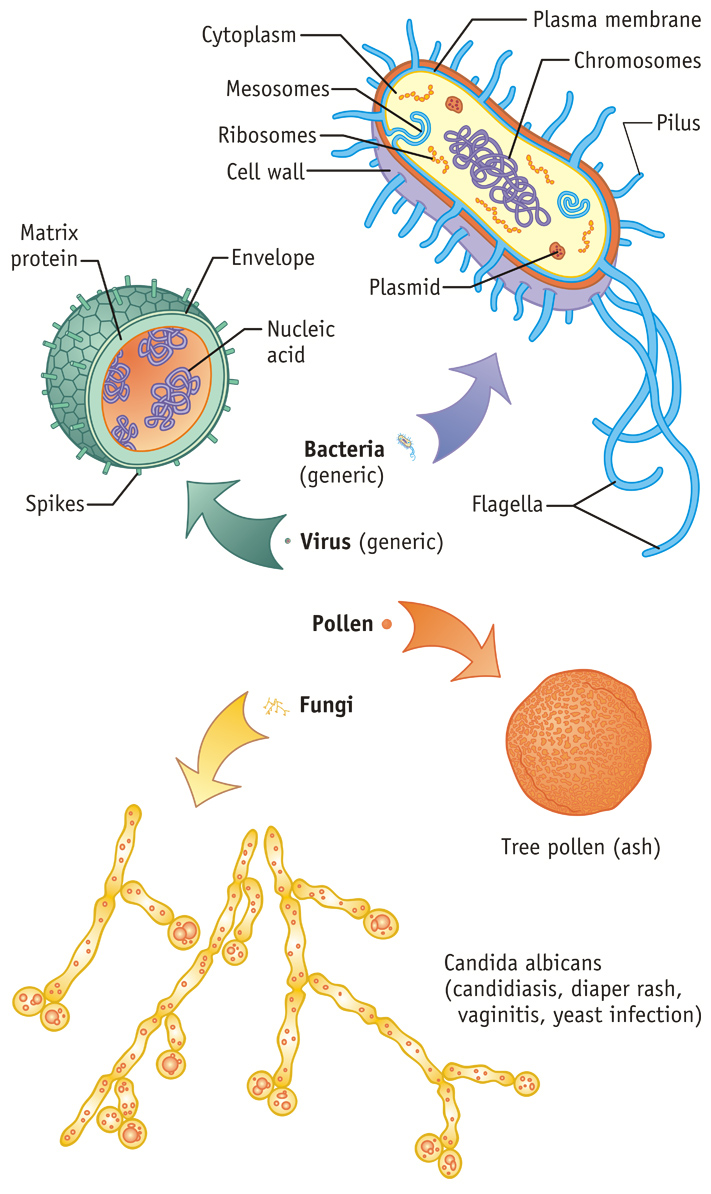
The complex and often misunderstood relationship between microorganisms and humans has, for many years, been obscured by the general perception of microbes primarily as harmful agents or diseases. Public understanding of microorganisms, particularly bacteria, fungi, and viruses, has largely been shaped by their role in causing infections, with much less focus on their evolutionary significance and contributions to human biology and the environment. This limited view has contributed to a lack of widespread acknowledgment of the essential roles microorganisms play in shaping health, ecosystem balance, and even the evolutionary trajectory of species, including humans.
1. The Obscured Understanding of Microorganisms
Historically, the perception of microorganisms was shaped by their visible, negative effects—diseases, infections, and epidemics. Early in medical history, diseases like tuberculosis, cholera, smallpox, and the bubonic plague were attributed to bad air, or “miasma,” or simply seen as mysterious forces without clear understanding of their causes. With the discovery of pathogens, microorganisms were primarily viewed through the lens of pathogens that caused harm.
However, despite the growing recognition of microbes’ importance, the idea that microorganisms are also beneficial, or even essential to our biological and ecological systems, has often been overlooked. For instance:
-
Focus on Harm: Microorganisms like bacteria, viruses, and fungi are often seen in terms of their pathogenicity rather than their roles in symbiosis, immunity, and health. The medical field, although increasingly recognizing the importance of the microbiome, still tends to prioritize the development of drugs to eliminate or suppress harmful microorganisms, often ignoring the beneficial ones.
-
Lack of Public Awareness: While scientific communities have made significant strides in understanding the role of the microbiome in human health, the general public remains largely unaware of the depth of this relationship. The average person may be familiar with gut bacteria, but they may not realize that the microbiome extends throughout the body, contributing to immune system regulation, digestion, and even mental health.
-
Environmental Impact Ignorance: On the environmental side, there is often a lack of understanding about the crucial roles microorganisms play in nutrient cycling, soil health, and ecosystem functioning. While some communities are beginning to recognize the value of microbial biodiversity in maintaining ecosystem stability, the broader public remains unaware of how human actions impact this invisible world.
2. Correlation Between Modern Human Activity and Microbial Activity
The relationship between human activity and microbial evolution has been increasingly evident as humans have radically transformed their environments. Our activities—ranging from urbanization to climate change and industrialization—have profound effects on microorganisms, both in the environment and within our own bodies.
A. Environmental Impact of Human Activities on Microorganisms
-
Pollution and Microbial Resistance: Human-induced pollution, especially the widespread use of antibiotics, pesticides, and industrial chemicals, has created environments where microorganisms must adapt rapidly to survive. The overuse of antibiotics in medicine and agriculture has led to the selection of antibiotic-resistant bacteria, a significant public health crisis. These resistant strains evolve quickly, often as a direct result of human behaviour, and they thrive in environments with heavy chemical exposure.
-
Climate Change and Microbial Evolution: Climate change has caused shifts in environmental conditions that affect microbial populations. Warmer temperatures, altered rainfall patterns, and changes in habitat can lead to the rise of new microbial species, while others may be driven to extinction. For example, some bacteria in the Arctic ice have evolved to survive warmer temperatures as a result of melting ice sheets, and the spread of certain pathogens has accelerated due to global warming.
-
Deforestation and Soil Microbes: Human activities like deforestation and industrial farming can alter the balance of microorganisms in the soil, which in turn affects plant growth, nutrient cycles, and even atmospheric composition. Soil microbes are essential for breaking down organic matter, recycling nutrients, and supporting plant health. Deforestation and monoculture farming practices disrupt these microbial communities, leading to a loss of soil fertility, increased erosion, and altered carbon cycles.
B. Microbial Adaptation to Human Influence
-
Human Microbiome Changes: Modern lifestyles, including changes in diet, hygiene, antibiotic use, and urbanization, have significantly impacted the human microbiome. The rise of “Western” diets, high in processed foods and low in fibre, has altered gut bacterial communities in ways that may contribute to the rise of chronic diseases like obesity, diabetes, and autoimmune disorders. In contrast, populations that maintain traditional diets and lifestyles often have a microbiome that is more diverse and may confer greater resistance to disease.
-
Antibiotic Resistance: The over-prescription of antibiotics, particularly in livestock farming, has selected for antibiotic-resistant strains of bacteria. This adaptation is a direct response to human practices, and the ongoing arms race between drug development and microbial resistance is an example of how human activity drives microbial evolution. Some researchers argue that antibiotic resistance is one of the most significant evolutionary changes in microbes triggered by human behaviour.
-
Urbanization and Microbial Evolution: As humans have moved into cities, microbial communities have adapted to the new environments. The dense human population and the increase in waste and pollution in urban areas have created new ecological niches for certain microbes. Urban environments have fostered the spread of opportunistic pathogens, such as the bacteria that cause tuberculosis or the viruses that spread respiratory diseases.
-
Genetic Engineering and Microbes: Advances in biotechnology, such as genetic modification and synthetic biology, have allowed humans to directly alter the genetic makeup of microorganisms. While this can have positive impacts (e.g., using engineered bacteria to clean up oil spills or produce pharmaceuticals), it also raises concerns about unintended consequences on microbial evolution. The release of genetically modified organisms (GMOs) into the environment could have unforeseen effects on local microbial ecosystems.
3. Impact of Human Activities on Microorganisms’ Evolutionary Responses
Human activities have not only driven the evolution of microorganisms but have also altered their ecological roles. The effects can be seen in the following ways:
A. Co-evolution with Pathogens and the Human Immune System
-
Host-Pathogen Co-evolution: As humans develop new medical technologies, antimicrobial drugs, and vaccines, pathogens evolve resistance mechanisms. For example, the widespread use of antibiotics has led to the emergence of multidrug-resistant bacteria. This is a direct result of human efforts to control microbial infections, which inadvertently pushes microorganisms to evolve new ways to survive.
-
Immune System Response: As humans encounter novel microbial threats (e.g., viruses, bacteria, fungi), our immune systems evolve to recognize and combat these invaders. However, the rapid evolution of microorganisms, often in response to human actions (e.g., vaccination or antibiotic treatment), continues to drive the development of more sophisticated immune responses. This ongoing “arms race” between microbes and the immune system shapes the trajectory of both human and microbial evolution.
B. Environmental Microbial Shifts Due to Human Activity
-
Emergence of New Pathogens: Human encroachment on natural habitats has created opportunities for new microbial species to emerge. Deforestation, agriculture, and urbanization all disturb natural ecosystems, leading to the spread of zoonotic diseases (diseases that jump from animals to humans) like Ebola, HIV, and SARS-CoV-2. The encroachment into wildlife habitats increases the likelihood of microbial cross-species transmission, which can lead to the emergence of novel infectious agents.
-
Changing Microbial Populations in the Environment: Human interventions such as the use of synthetic fertilizers and pesticides alter the microbial balance in the soil. These chemicals can select for certain microbial strains that can tolerate these harsh conditions, while others may die off. The long-term impact is a shift in microbial biodiversity, which can affect plant health, soil fertility, and the broader ecological balance.
Conclusion: The Need for a Shift in Understanding and Action
The lack of widespread understanding of the vital roles that microorganisms play in human health, ecological stability, and evolution is a major oversight that has been exacerbated by human-centric views. While much attention has been given to the harmful effects of microorganisms, it is essential to broaden public awareness to recognize their crucial contributions to human survival, health, and the environment.
Modern human activity—through pollution, climate change, antibiotic use, urbanization, and environmental degradation—has not only influenced microbial populations but also driven microbial evolution. The challenge for the future will be to develop strategies that minimize negative impacts on microbial diversity, promote the beneficial roles of microbes, and better understand how to live in a way that respects the microbial world.
Shifting our perspective to view microorganisms not just as threats but as essential partners in health and ecological functioning will allow for more sustainable interactions with the natural world, ultimately benefiting both human societies and the ecosystems that support life.
