

Macronutrients & Products: Food & Beverage
Learn the developments, processing and ingredients behind the daily available food and beverages produces by certain manufacturers along with the health implications and nutritional quality behind these products.
Food & Beverage Nutrition Fundamentals
Get the basics from nutritional data sciences released to the biochemical understanding for a more vast and flexibility in the knowledge of having to deal with nutritional quality whenever and wherever.
Basic Biochemistry Of Nutrients & Dietary Sources
Biochemical fundamentals and their reactions through metabolic processes with regards to Nutrients & Dietary Sources. How will these sources of sustenance react with our body and how will our body respond?
Metabolic Pathways: Energy Metabolism
Metabolic Disease & Disorders: Insight To The Major Issues
when we see an individual who struggles with his or her weight, there are key observations and factors related to the issue we must come to understand before taking part or initiating and health approach or protocol.
Fasting & Findings
With so much options for both Food & Beverages marketed and accessible, Its easy to get caught up in constantly feeding and unconsciously consuming when not hungry. What's the best way to give our body time to rest, recover and replenish itself. Find out the process here.
Biological Machines & Nature´s Regulators: Viruses, Bacteria & Fungi
Discover the interesting role behind a diverse and unique group of organic Kingdoms that contribute to the essential change and progress of our natural order and overall bio systems.
Breathing & Nutrition: Overlooked Combination of life
We look at how both breathing and nutritional consumption play a crucial and crucial role in not just better health and well being but also better movement.
Agrochemical & Agricultural Practices
We review, Analyse and look into the many aspect of agricultural practices and methods used in todays food and beverage systems, from the very grain that supplies our stores and fast food franchises, to the chicken feed and supply and the dairy and cheese that are extracted, treated and distributed to our store shelves.
This feature has been disabled by the administrator
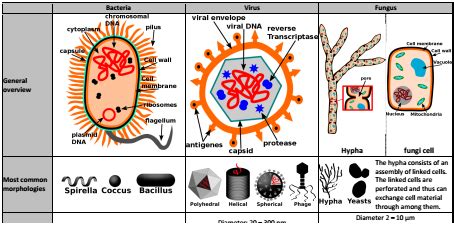
Viruses, fungi, and bacteria are often viewed through a lens of harm or disease, but in reality, they have complex relationships with the human body and contribute in various ways to our evolution, development, and overall health. Let’s explore the significance and evolutionary advantages of these organisms to the human body:
1. Bacteria
Role in Health:
-
Gut Microbiome: The human body hosts trillions of bacteria, particularly in the gut. These bacteria play a crucial role in digestion, the production of essential vitamins (like Vitamin K and some B-vitamins), and the absorption of nutrients. The microbiome also helps regulate the immune system by training it to differentiate between harmful invaders and harmless substances, reducing the risk of autoimmune diseases and allergies.
-
Immune System Development: Exposure to beneficial bacteria in early life is thought to contribute to the proper development of the immune system. It helps maintain immune balance and reduces susceptibility to diseases by stimulating both innate and adaptive immunity.
-
Protection Against Pathogens: Beneficial bacteria act as a natural barrier against harmful pathogens by competing for resources and producing antimicrobial compounds.
Evolutionary Advantages:
-
Over millions of years, humans and bacteria have co-evolved in a mutually beneficial relationship. The human body provides a stable environment for bacteria, and in return, bacteria contribute to essential bodily functions like digestion, immune modulation, and protection from pathogens.
-
The human genome has evolved mechanisms to manage the vast number of bacteria in and on our body, which may have been a key factor in human evolutionary success.
2. Fungi
Role in Health:
-
Microbiome and Immunity: Fungi, like bacteria, form part of the microbiome, especially on the skin and in mucosal surfaces (e.g., in the mouth and gut). Some fungi help maintain a balanced microbial environment, preventing harmful organisms from overgrowing.
-
Antibiotics: Fungi are the source of many antibiotics, such as penicillin. These compounds, while originally produced by fungi to compete with bacteria in their natural environment, have revolutionized medicine and contributed to the preservation of human life. The development of antifungal treatments also helps protect humans from fungal infections.
Evolutionary Advantages:
-
Humans have co-evolved with fungi in a symbiotic relationship. Our immune system has adapted to recognize and respond to fungal threats, and some fungi play a role in nutrient cycling within the body.
-
The discovery and use of fungal compounds have given humans tools to combat infections, extending life expectancy and improving overall health. Fungi also contribute to our food supply in the form of edible mushrooms and fermentation processes.
3. Viruses
Role in Health:
-
Gene Transfer and Evolution: Viruses are often seen as harmful, but they play a critical role in genetic evolution. Some viruses, like retroviruses, have integrated their genetic material into the human genome. This integration can lead to new genetic variations and adaptations, some of which may confer evolutionary advantages. For example, certain viral genes are thought to have helped humans develop placental development, which is a unique characteristic of mammals.
-
Immune System Modulation: While viruses can cause diseases, they also stimulate immune responses that can “train” the immune system to recognize and combat future threats. The interaction between viruses and the immune system may have contributed to the evolution of more sophisticated immune defense mechanisms.
-
Oncolytic Viruses (Cancer Treatment): Emerging research into oncolytic viruses, which specifically target and kill cancer cells, shows potential for viral therapies in treating certain cancers, providing a therapeutic advantage to humans.
Evolutionary Advantages:
-
Viruses contribute to human evolution by introducing genetic diversity. While their impact is often negative in the short term, they have been involved in the evolutionary process for millions of years. Some viral DNA has become embedded in the human genome and may have contributed to certain physiological traits or adaptations, such as immune system functions or aspects of placental biology.
-
The ongoing interaction between humans and viruses has driven the evolution of robust immune systems, enhancing human survival by constantly adapting to viral threats.
Overall Evolutionary Significance:
Co-evolution with Microorganisms: Humans have evolved alongside microorganisms, including bacteria, fungi, and viruses, and this relationship has shaped many aspects of human biology. The interaction between our bodies and these organisms has driven the development of complex immune systems, the microbiome, and even certain genetic traits. Far from simply being harmful, these organisms have contributed to the development of resistance, adaptation, and survival strategies that are critical to human health and evolutionary success.
Adaptation and Resistance: Over time, the human body has evolved ways to balance and manage these microbial relationships. For example, we have developed immune mechanisms to protect against harmful bacteria and viruses, while also fostering beneficial bacteria in our microbiomes. This adaptive interplay has allowed humans to thrive in diverse environments, from the deep forests to urban cities.
Preservation of Genetic Diversity: The continuous genetic exchange between humans and microorganisms has preserved and enhanced human genetic diversity. By facilitating gene transfer and promoting immune response evolution, microorganisms have influenced human adaptability to environmental changes and new diseases.
In summary, while viruses, fungi, and bacteria can be harmful in certain contexts, they have played indispensable roles in shaping human evolution, health, and adaptability. Their presence has driven immune system development, genetic diversity, and helped humans adapt to various environmental challenges. In many ways, these organisms have been co-architects of human survival and evolution.
